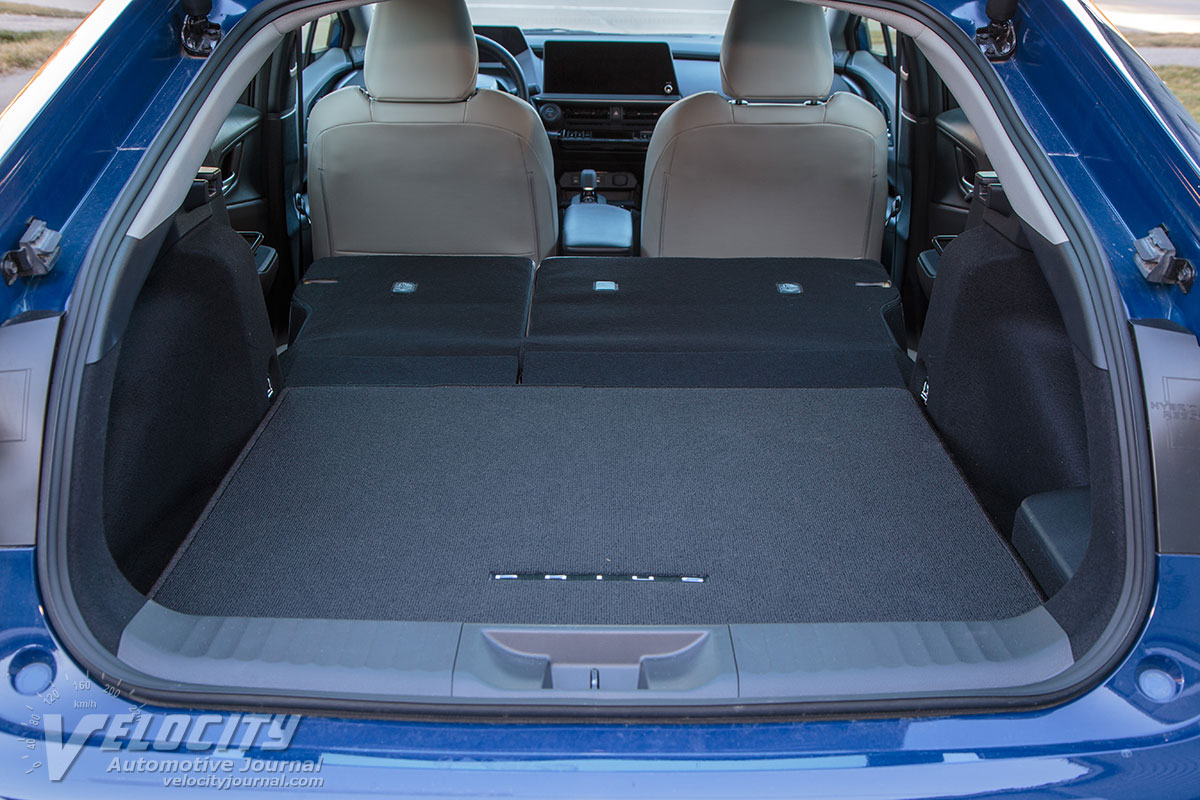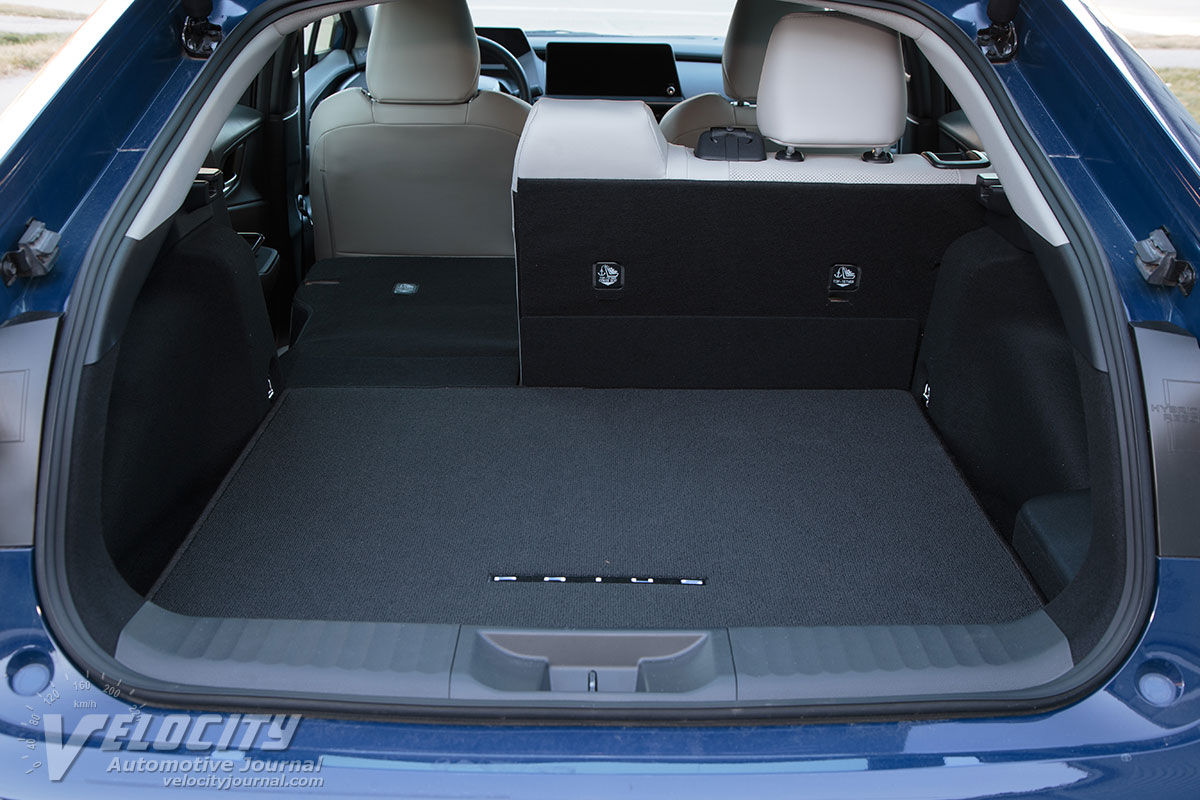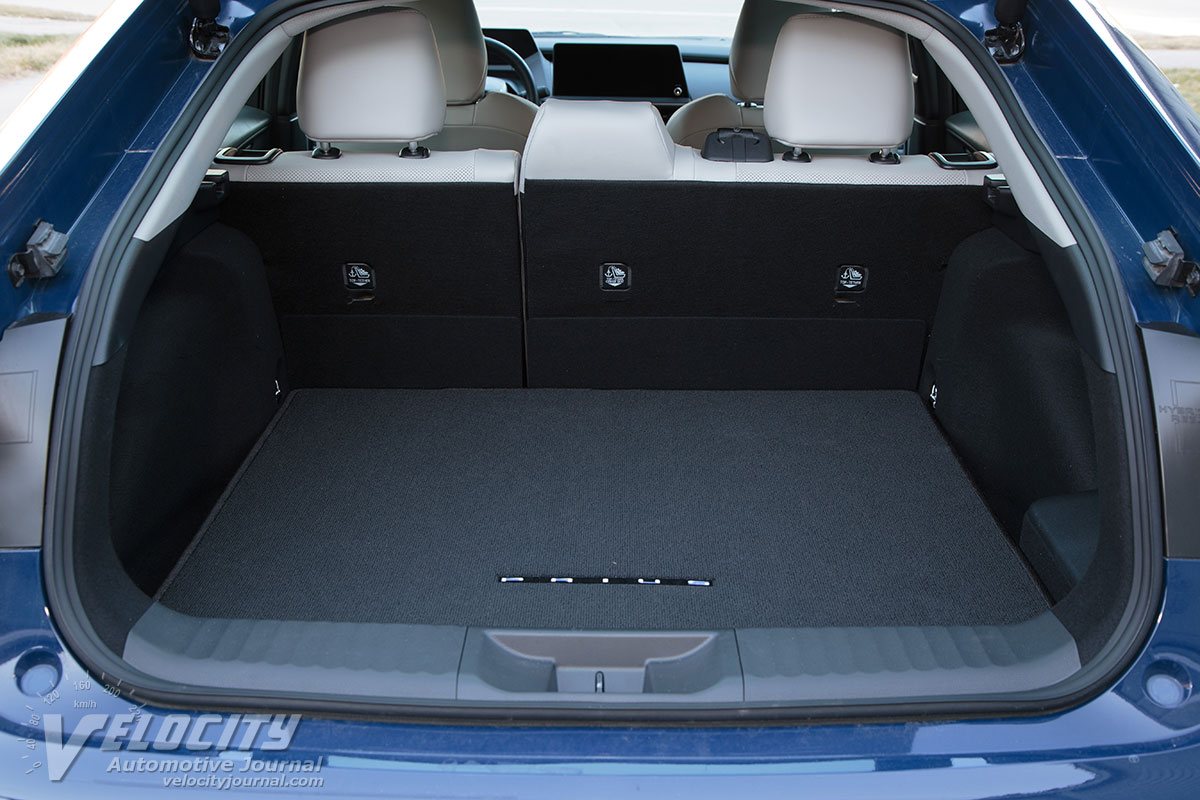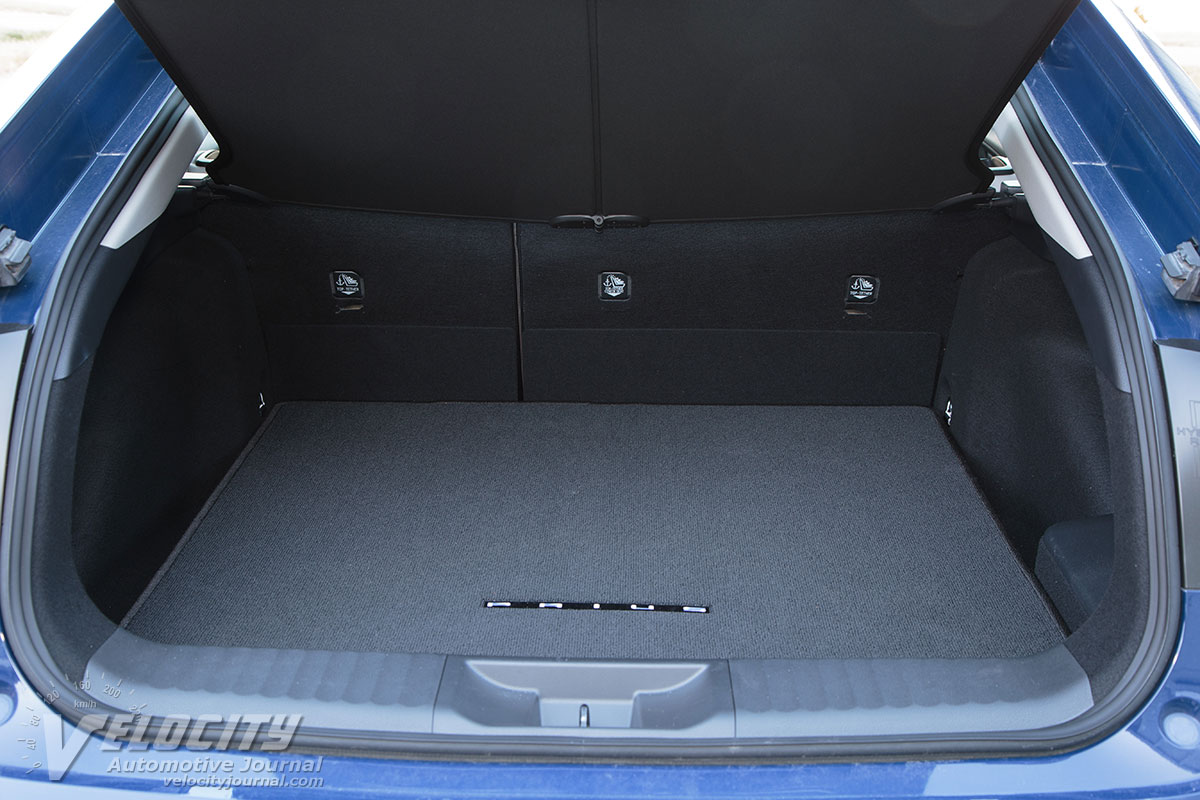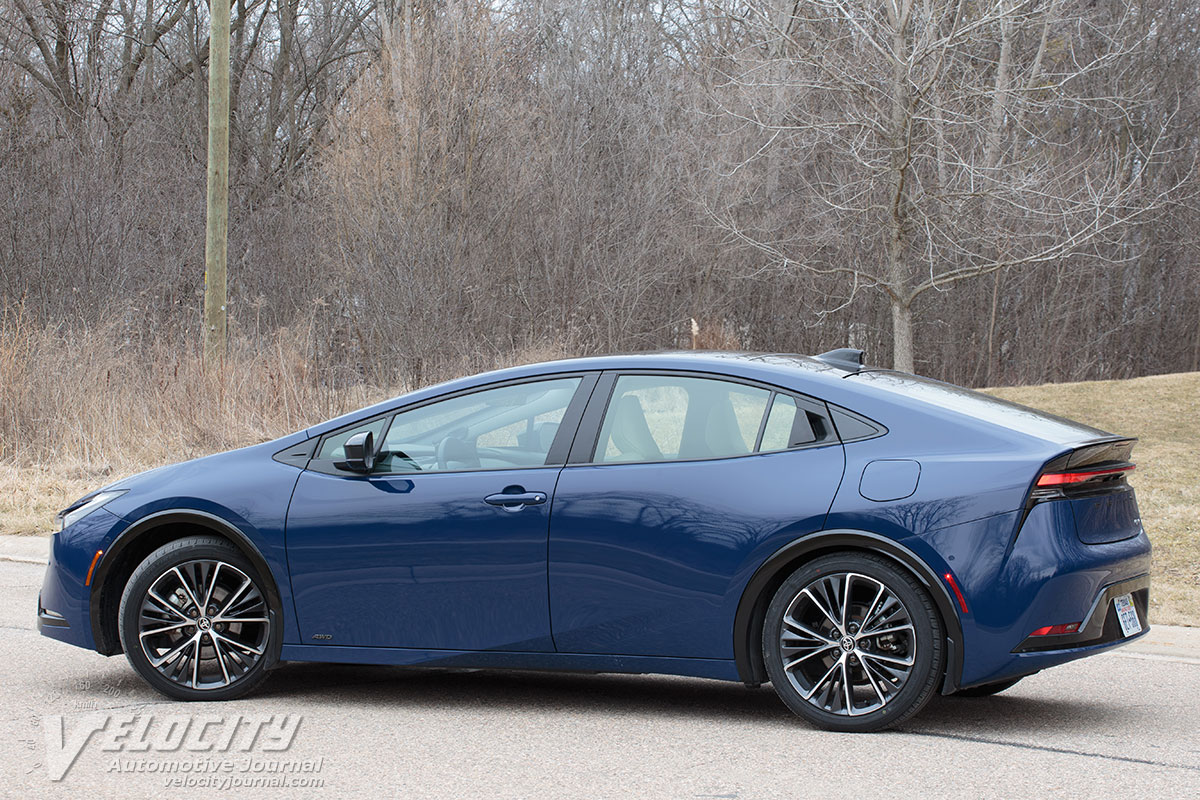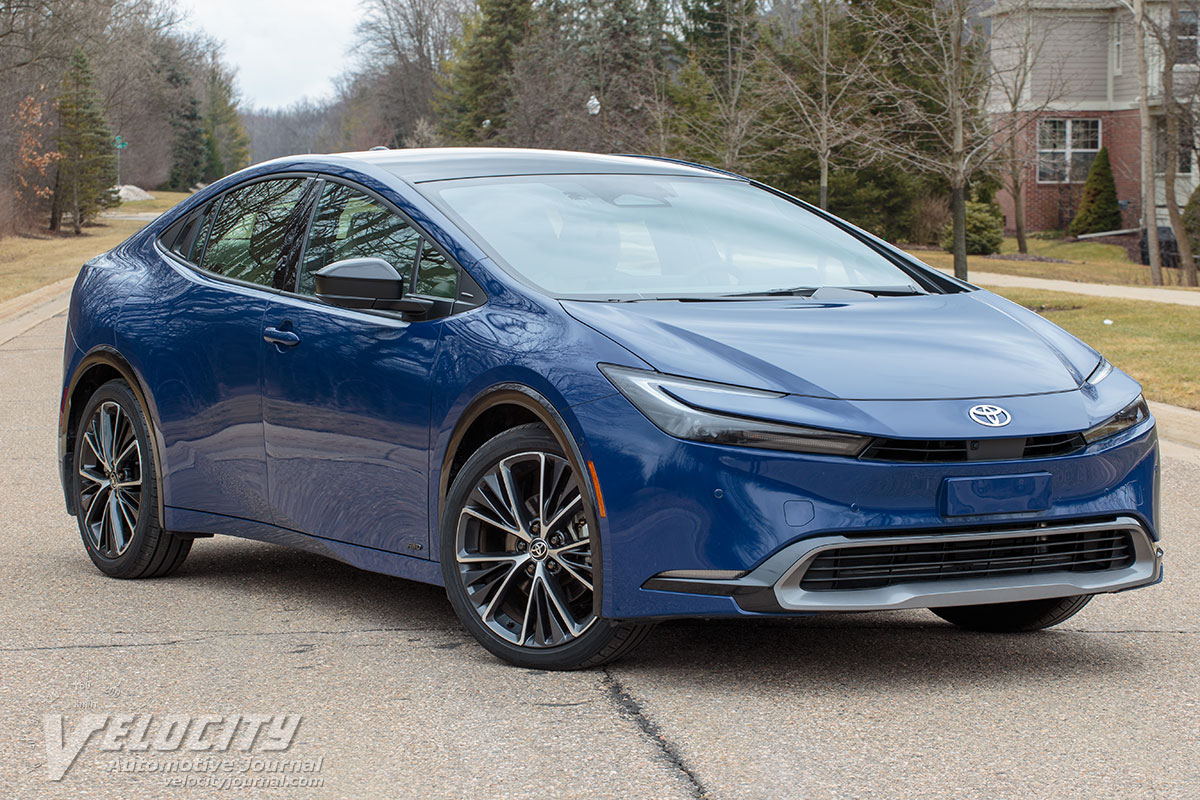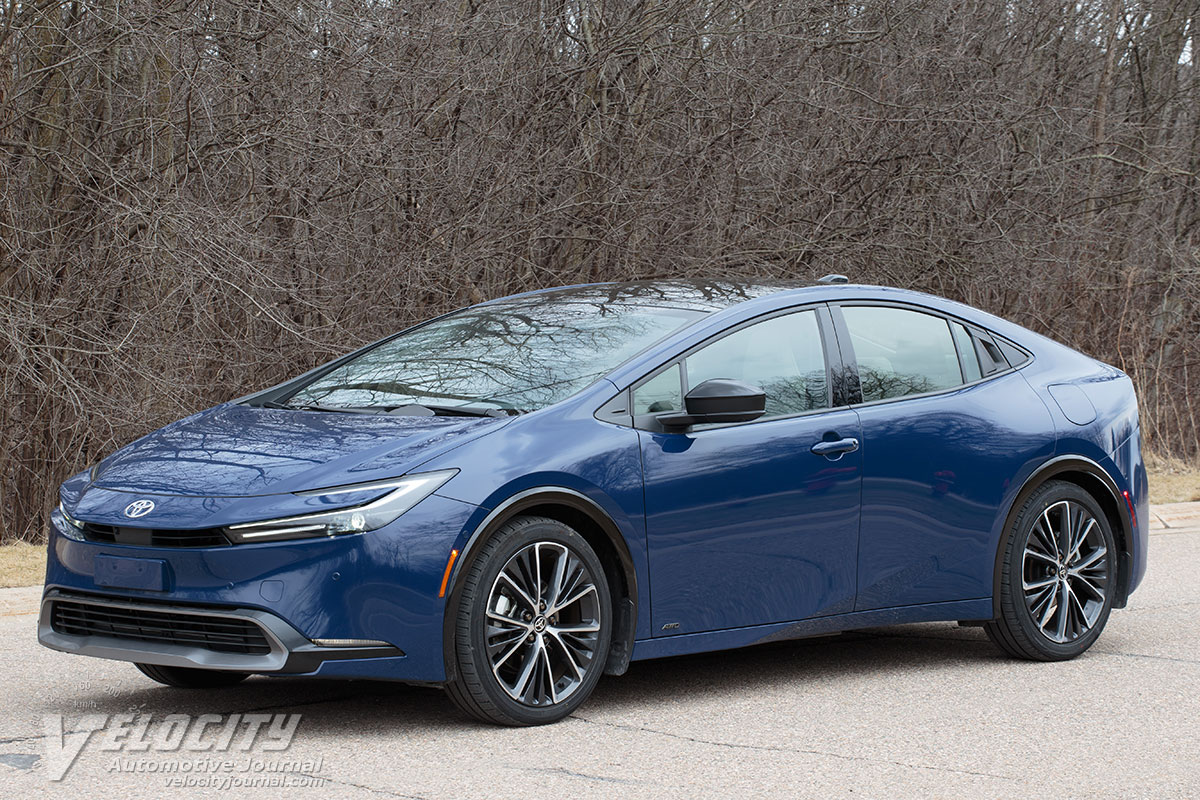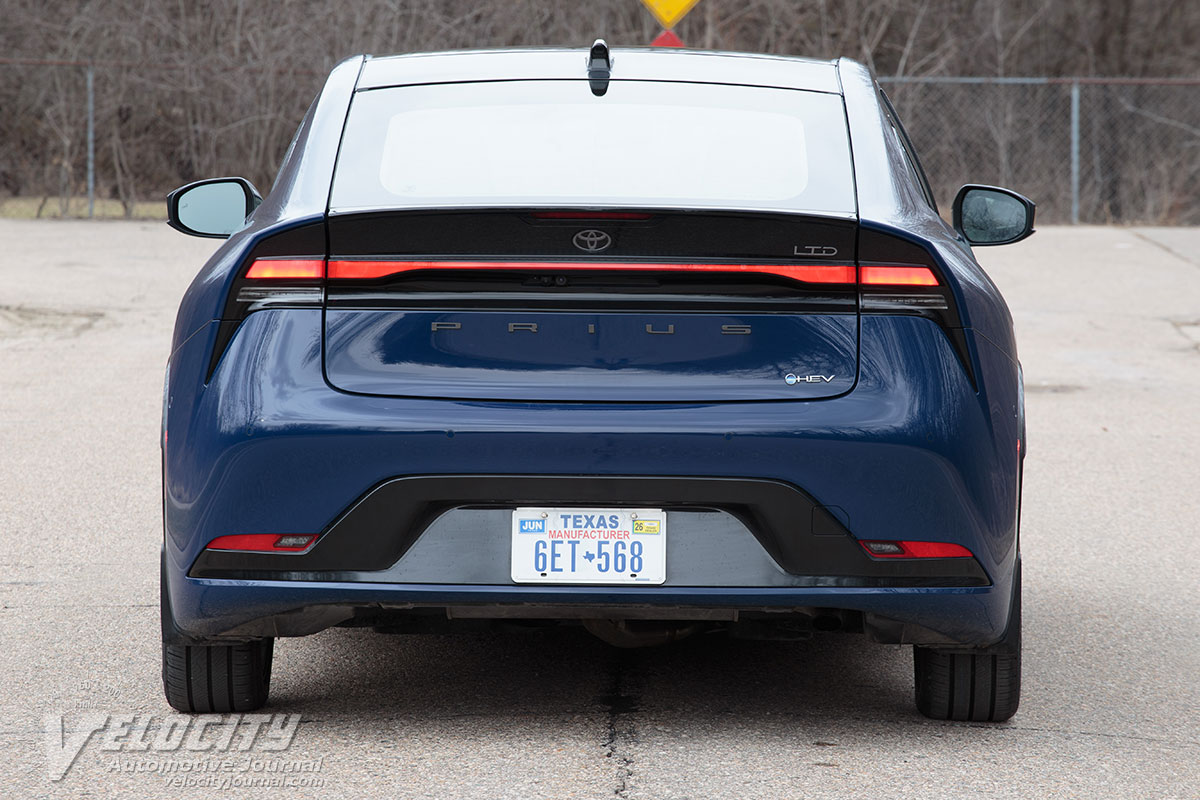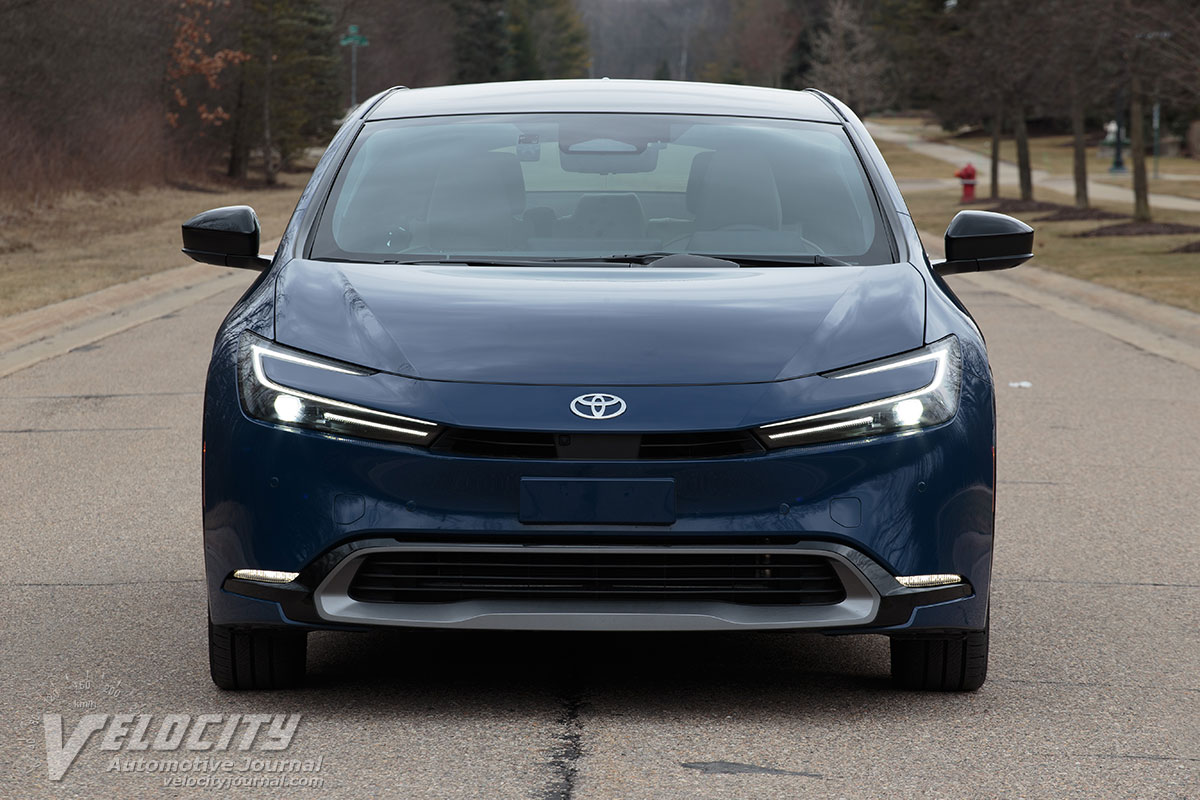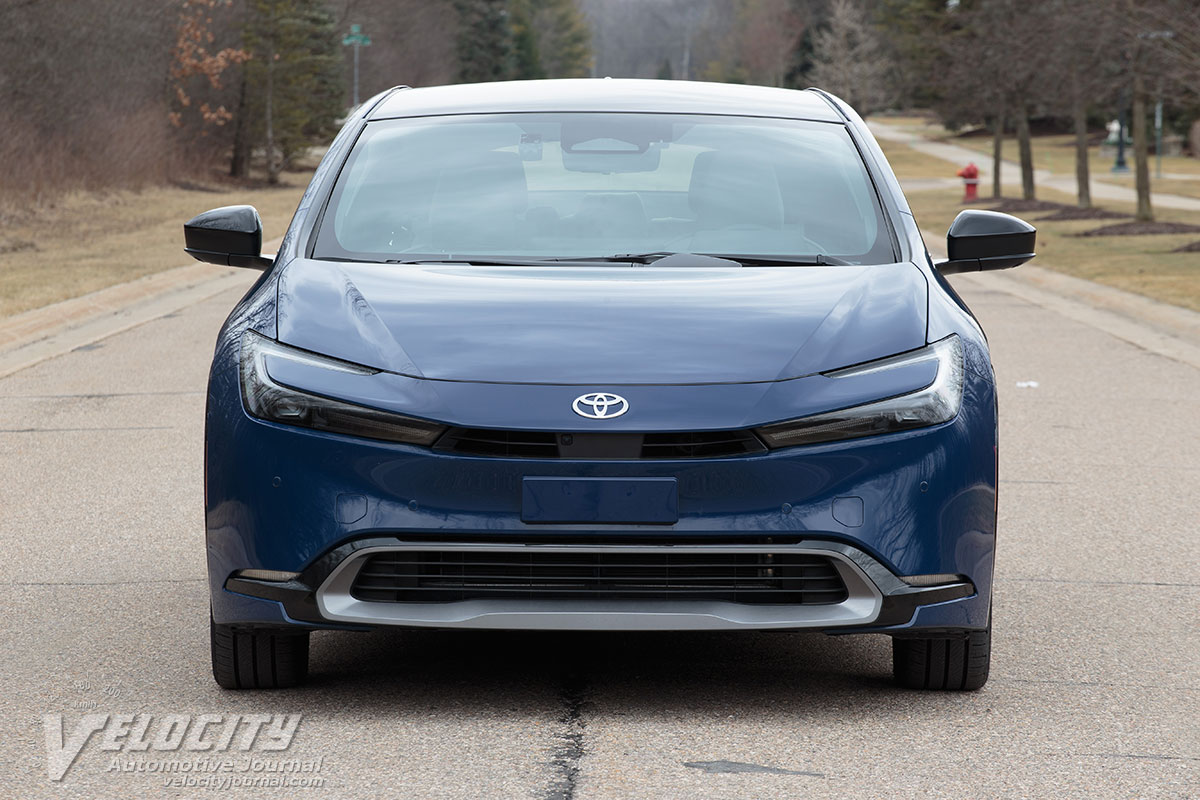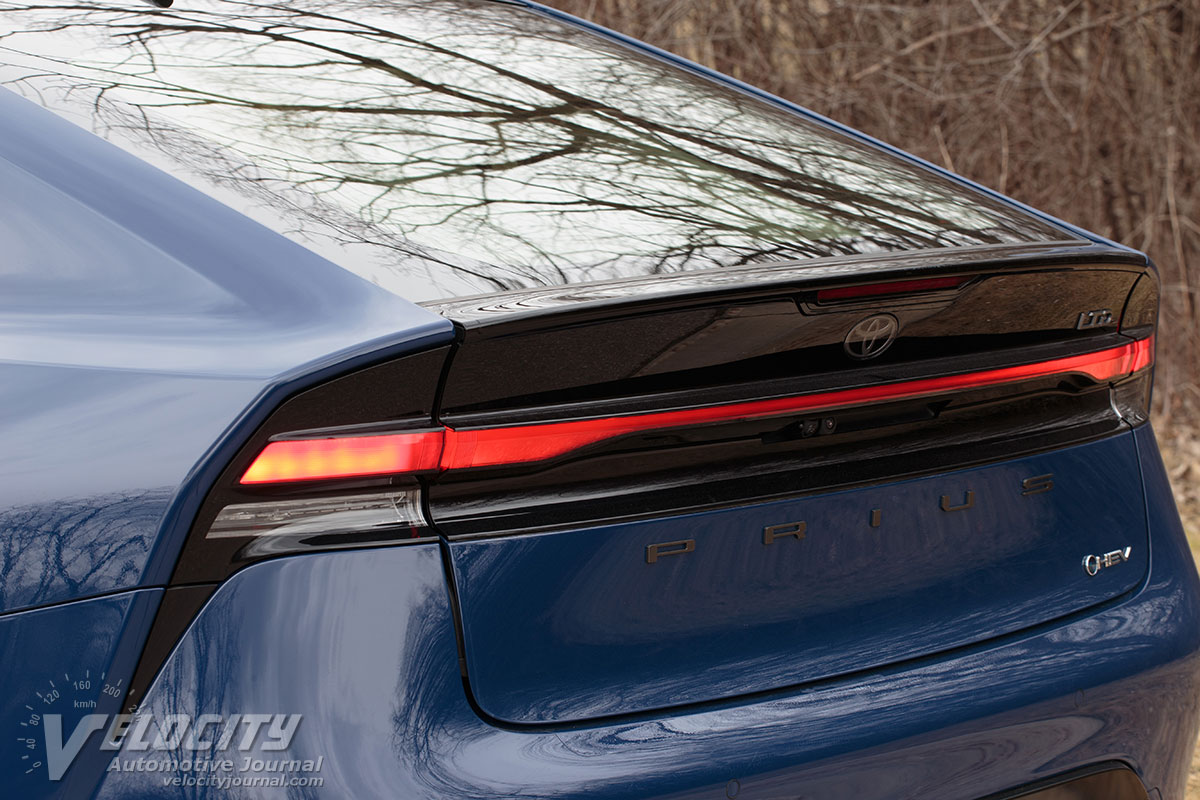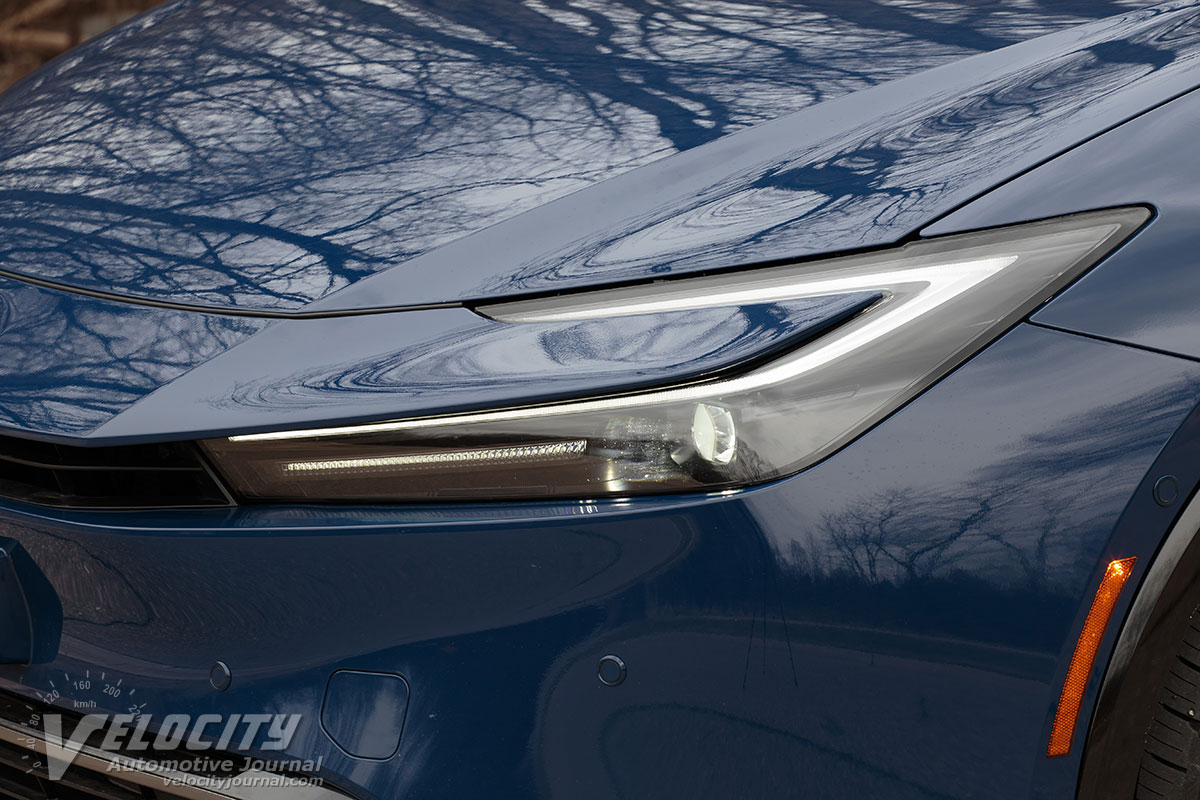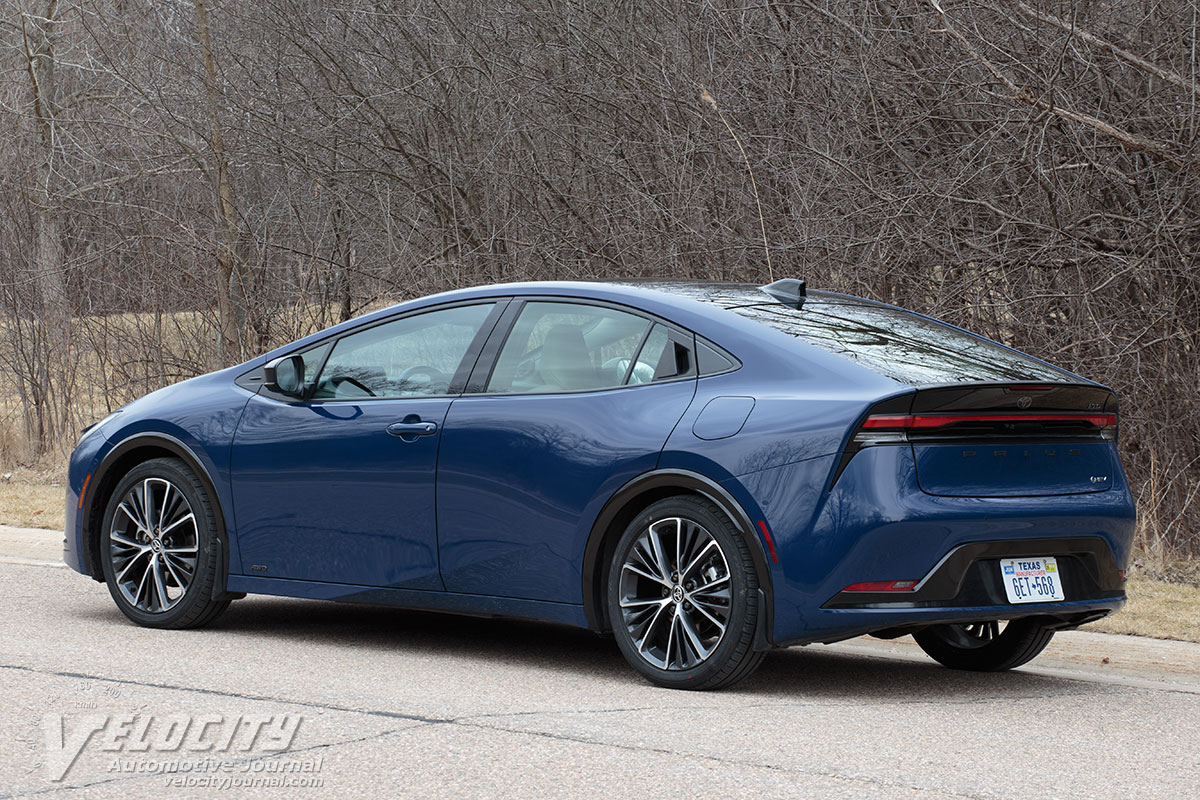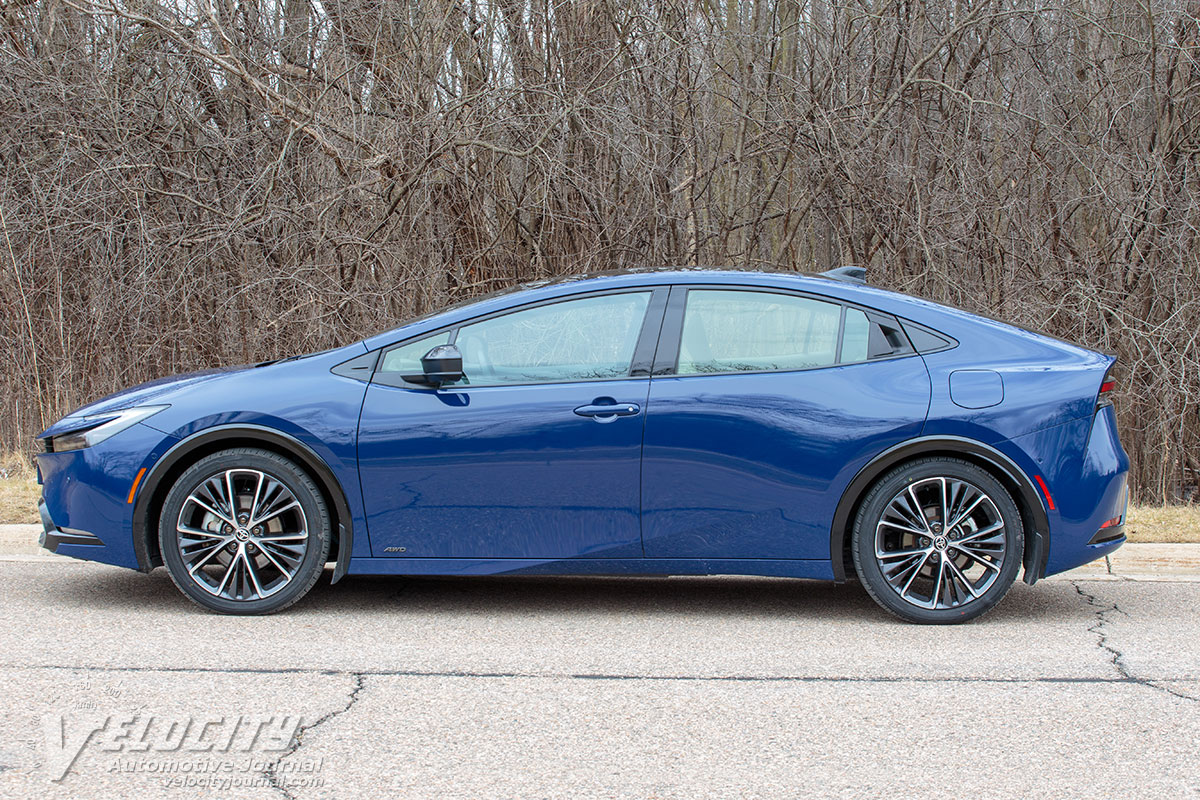
2024 Toyota Prius Limited AWD
2026-03-02
Shahed Hussain
The Prius has been in production nearly 30 years, and through multiple generations, Toyota has continuously improved its premier hybrid sedan. The current Prius was introduced in 2023 and has been essentially unchanged since then. For 2026, the Prius is available in LE, XLE, Nightshade and Limited trims. All Prius models are available with either FWD or AWD.
The base 2026 Prius LE starts at $29,745 and ranges up to $36,965 for the Limited AWD. The 2024 Prius Limited AWD model we tested has an MSRP of $36,065. Significant standard equipment includes a glass roof, power rear hatch, 8-way power driver's seat with power lumbar support, 6-way power front passenger seat, heated and ventilated front seats, 12.3-in. multimedia display, wireless CarPlay, wireless Android Auto, 8-speaker JBL audio system, panoramic view monitor, and Wi-Fi hotspot. Options include digital rearview mirror ($200), Advanced Technology Package ($1085), heated rear seats ($350), floor mats/cargo mat ($299), door sill protectors ($250), rear bumper applique ($69), mudguards ($150), and a dash camera ($375). Including the $1095 delivery fee totaled up to $38,843. A similarly optioned 2026 Prius Limited AWD would cost under $41K.
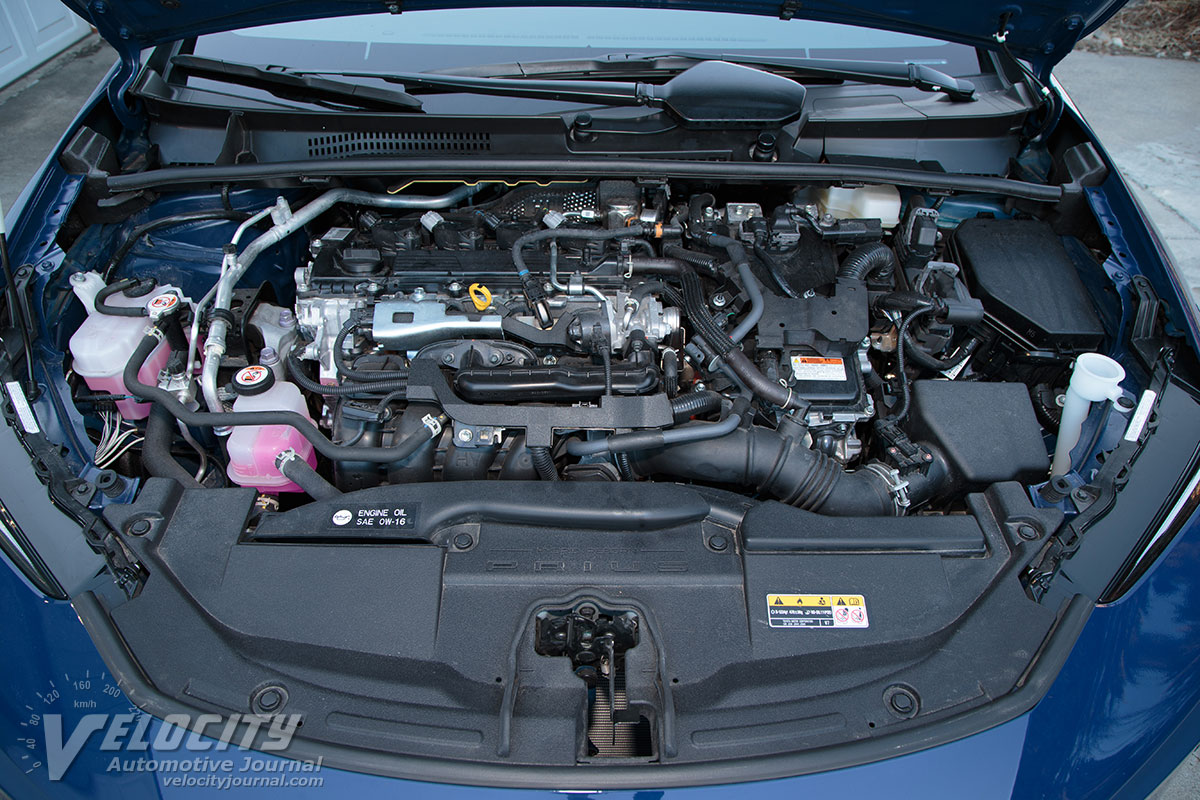
All Prius models share an Atkinson-cycle 2.0L inline-4 rated at 150-hp @ 6,000 RPM and 139 lb.-ft. @ 4,400 RPM. A 111-hp/152 lb.-ft. motor-generator combines its output with the gas engine via an electronically-controlled CVT (eCVT) to the front wheels. All-wheel drive models have a 40-hp/62 lb.-ft. electric motor driving the rear axle. Total system power is 196-hp (AWD) or 194-hp (FWD). A 222V/4.08 amp-hr. lithium-ion battery pack powers the electric motors. EPA estimates for the Prius Limited AWD fuel consumption are 49/50 MPG (city/hwy.). The most efficient Prius LE FWD achieves 57/56 MPG (city/hwy.). During our test drive, we averaged about 51 MPG in mixed city/hwy. driving.
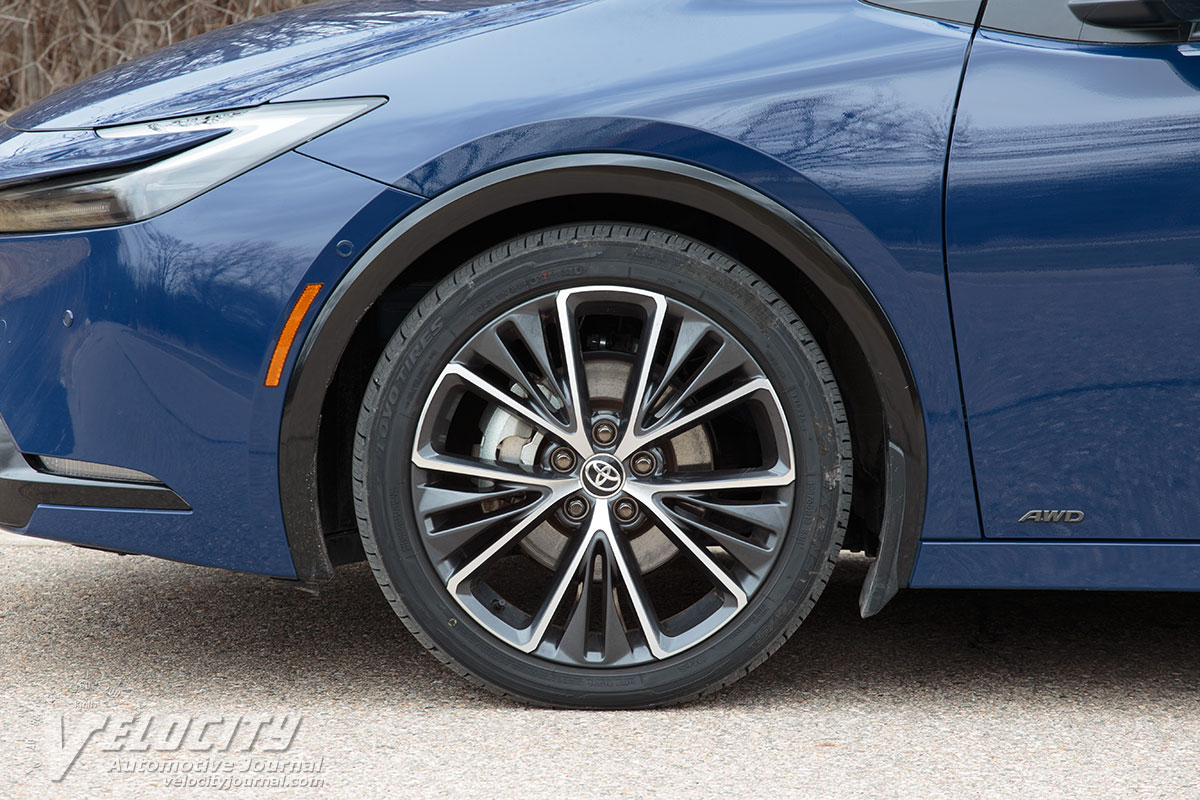
The Prius continues to use a MacPherson strut front suspension with a stabilizer bar. At the rear is a multi-link suspension with coil springs, dampers and a stabilizer bar. Steering is an electrically power-assisted rack-and-pinion system. Brakes are all disc: 12-in. vented front discs (AWD) or 11.1-in. (FWD), and 11.0-in. rear solid discs. Prius LE models roll on 17-in alloy wheels and 195/60R17 tires. All other Priuses get larger 19-in. alloy wheels and 195/50R19 tires. Our tested Prius had Toyo Extensa A/S all-season tires. Curb weights range from 3,097 lbs. (LE) to 3,340 lbs. (Limited AWD).
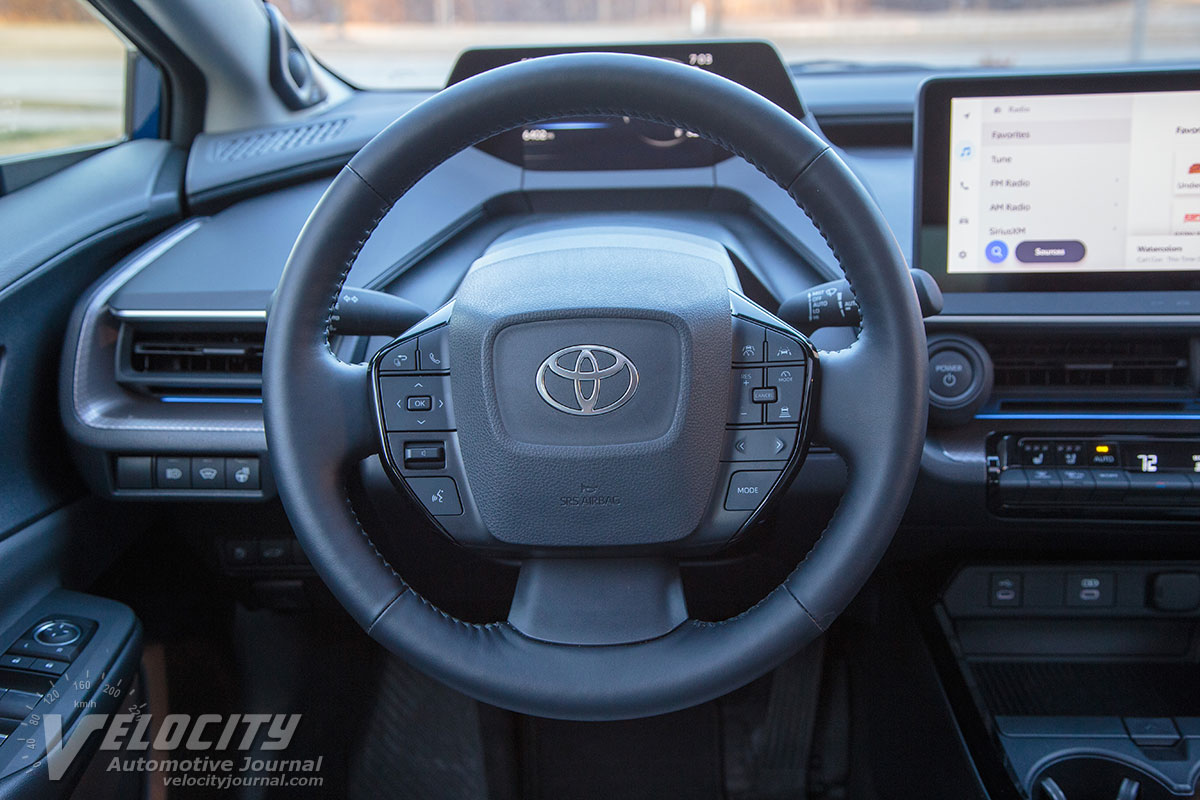
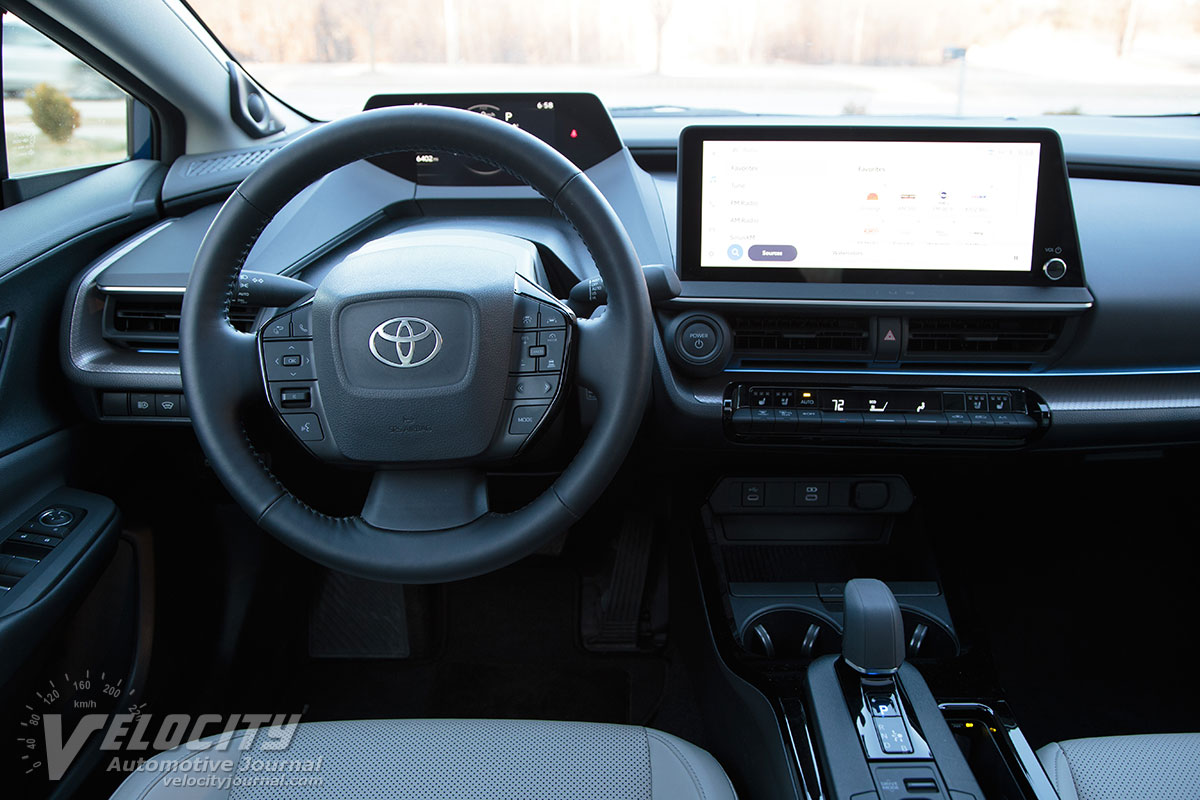
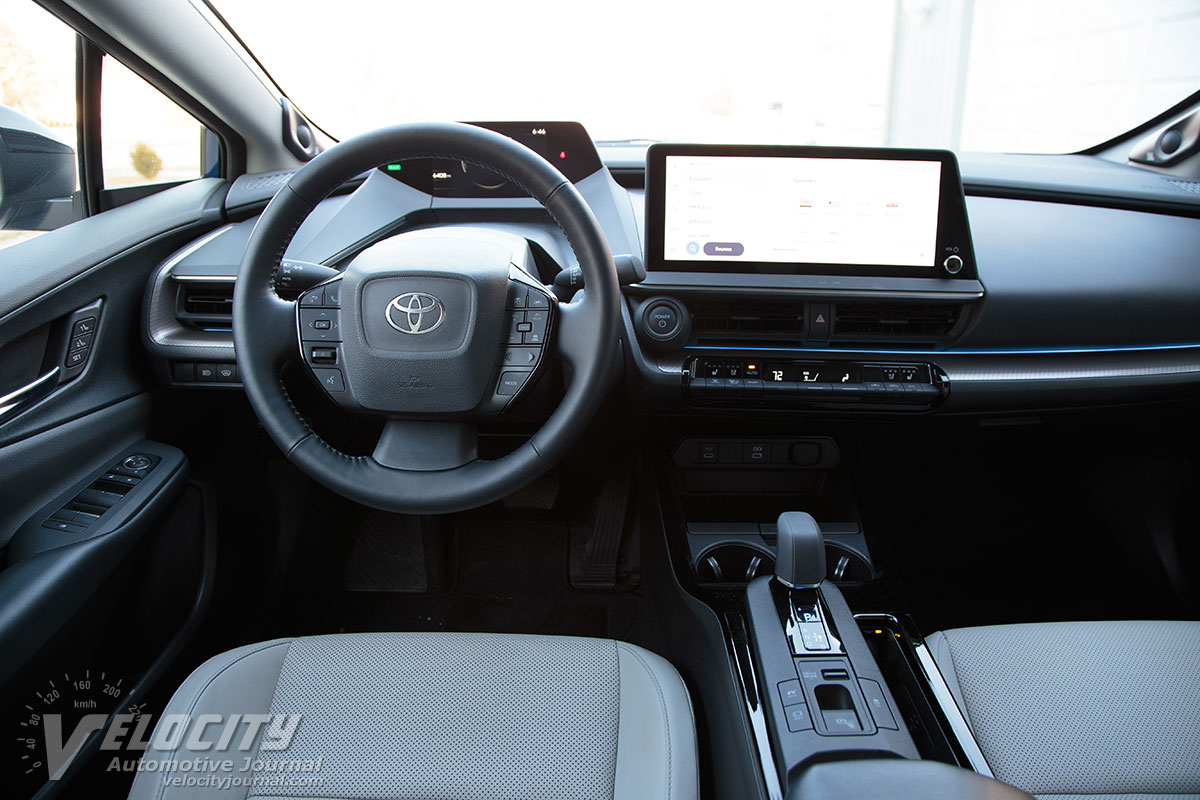
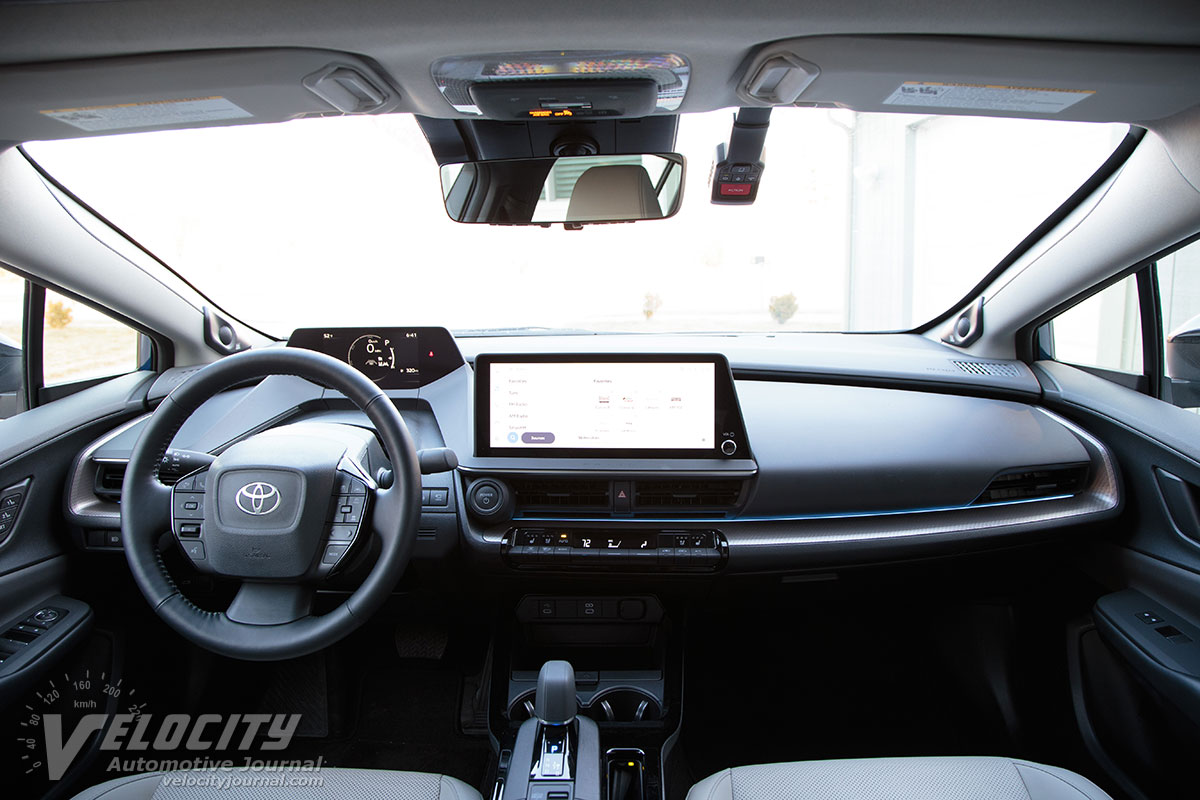
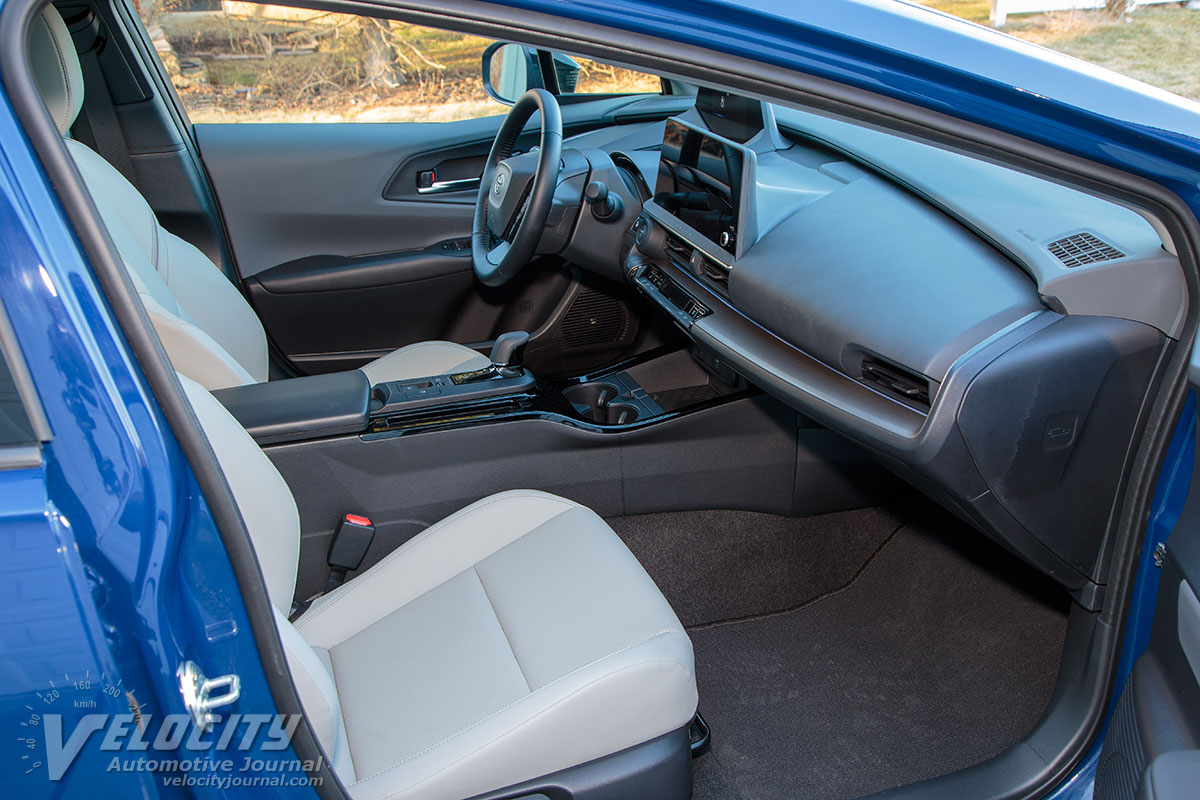
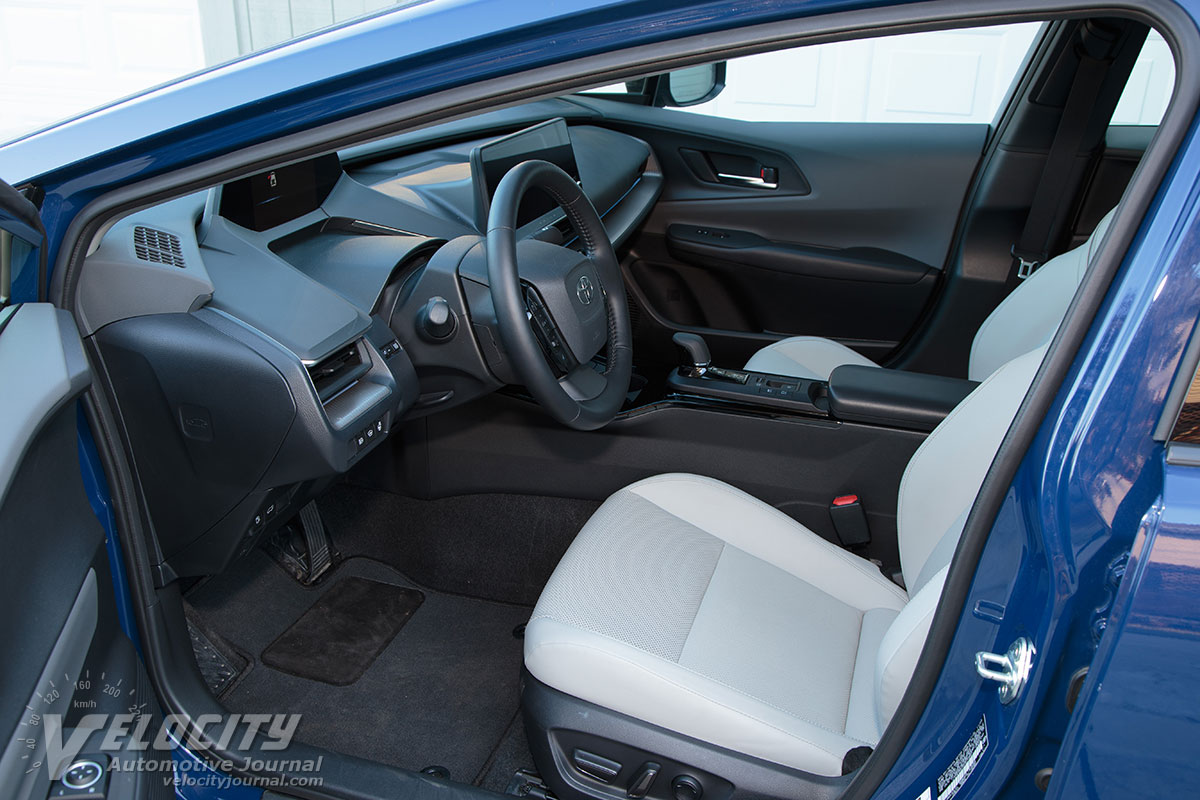
Toyota's interior design blends advanced design elements without impeding usability. An example is the hexagonal digital gauge cluster, which isn't housed in a conventional binnacle, but as a stand-alone display. Interior materials are mostly padded surfaces, accented with gloss black and matte silver trim. Interior build quality is nearly flawless, with tight panel gaps. The 3-spoke steering wheel has integrated phone, cruise, and vehicle status controls. The central infotainment display projects from the dash, but doesn't obstruct sightlines over the hood. Below the display, the intuitive climate control panel uses tactile buttons and knobs. Dual USB-C ports on the center console can charge mobile electronics. Two cupholders are located on the center console, ahead of the transmission shift lever and powertrain mode buttons.
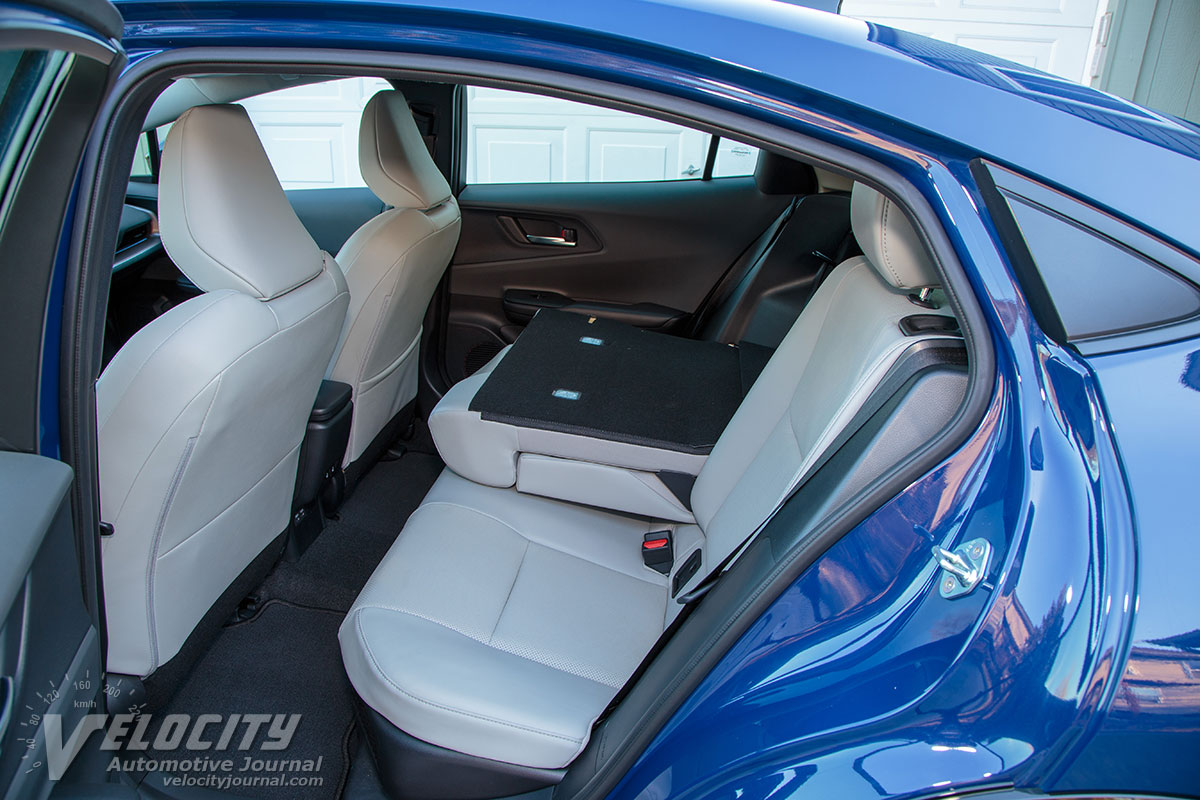
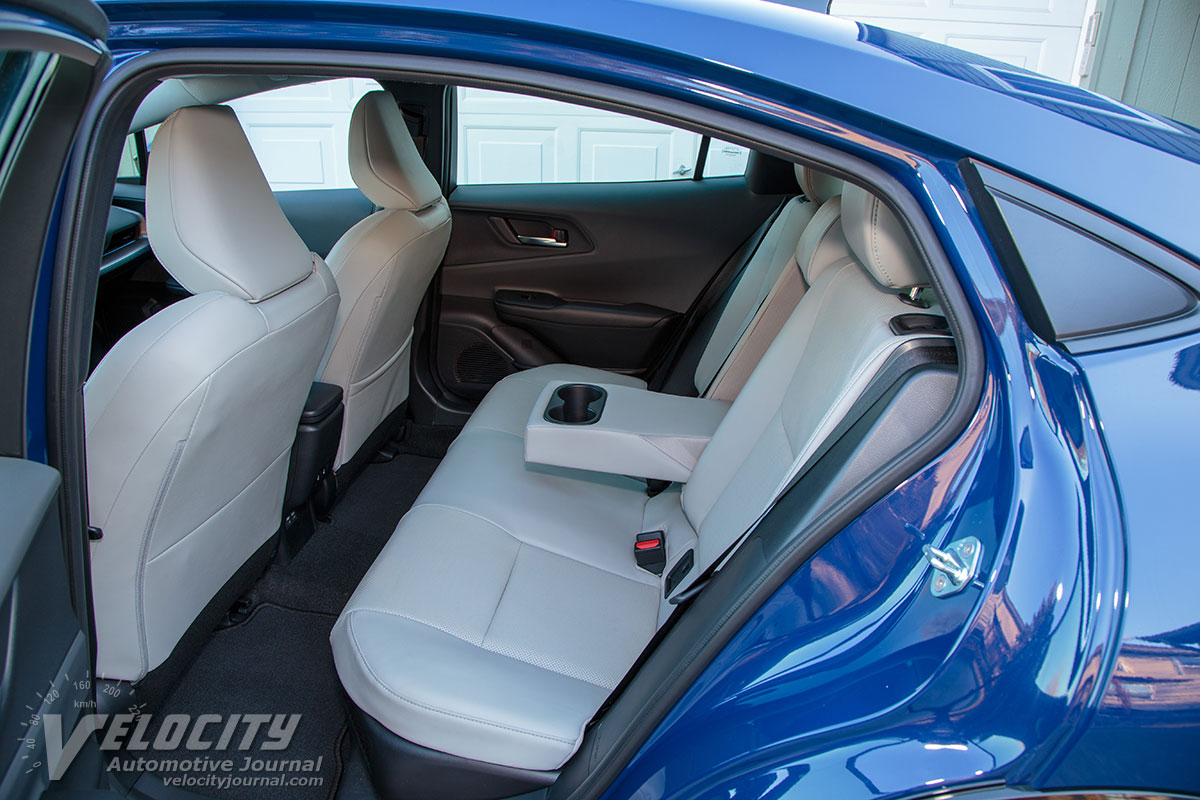
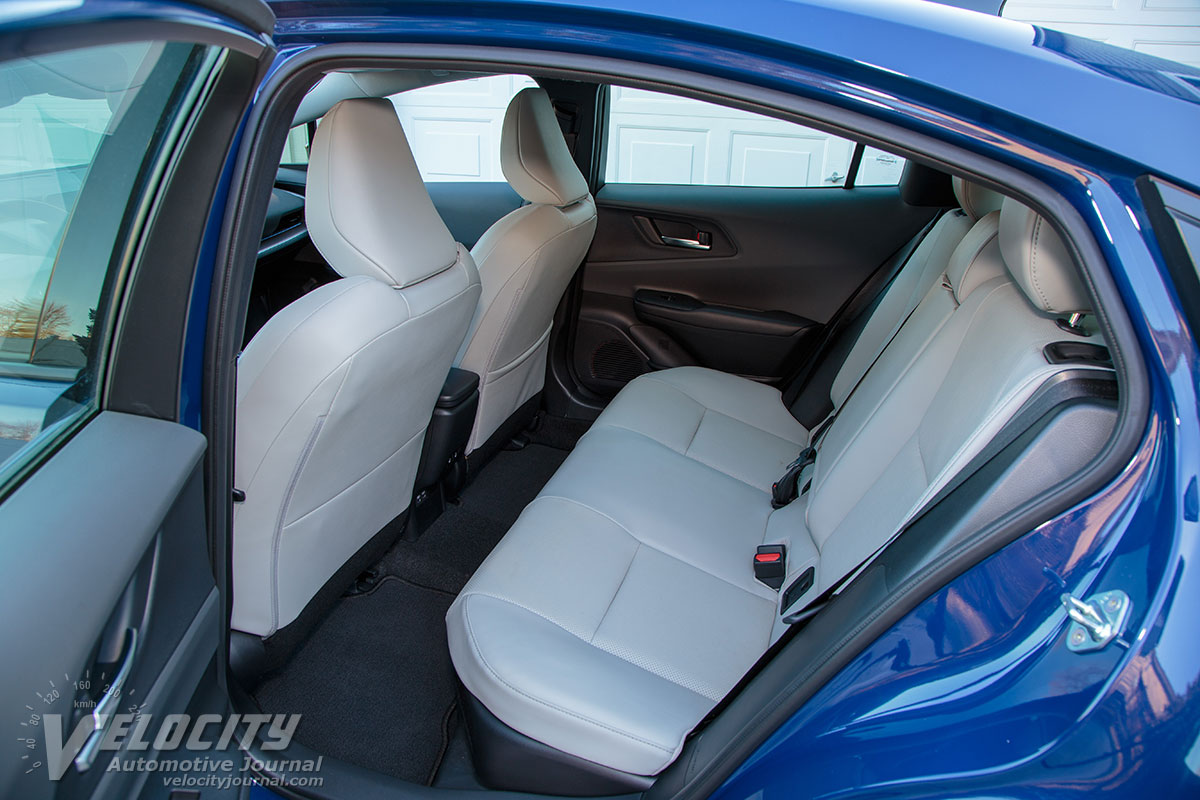
The front seats offer excellent lateral support and comfort, but the swept back A-pillars limit headroom for passengers over 6 ft. tall. Rear seats comfort is acceptable for two occupants, although legroom is barely adequate. The rigid seatback for the center rear passenger is tolerable for short trips only. As in the front, headroom is limited to 6 ft. tall occupants.
Toyota engineers focused on enhancing the Prius' driving dynamics, resulting in nimble handling, minimal body roll and quick steering turn-in response. The all-disc brakes provide excellent stopping power, with progressive actuation and a firm pedal. The transition from regeneration to friction braking is seamless. At an 80 MPH cruise, the Prius tracks accurately on the highway; wind, tire and engine noise are subdued.
The hybrid powertrain system delivers impressive power and torque, despite its focus on fuel efficiency. Torque steer is nonexistent, and on dry roads, we could not detect the electric motor driving the rear axle. As expected, the CVT maintains nearly constant engine RPM under acceleration, causing audible resonance (noise) in the body structure. However, Toyota's powertrain tuning effectively minimizes vibrations from the inline-4. Of the three powertrain modes: Eco, Normal and Sport, we mostly used Normal mode. The Sport mode uses higher engine RPM for faster acceleration, but the Normal mode is usable in most driving conditions.
Toyota moved the Prius beyond its origins as a frugal hatchback and improved both performance and handling. The expanded lineup still offers maximum fuel efficiency in the Prius LE, but the Limited and Nightshade models should attract new customers to Toyota dealers.